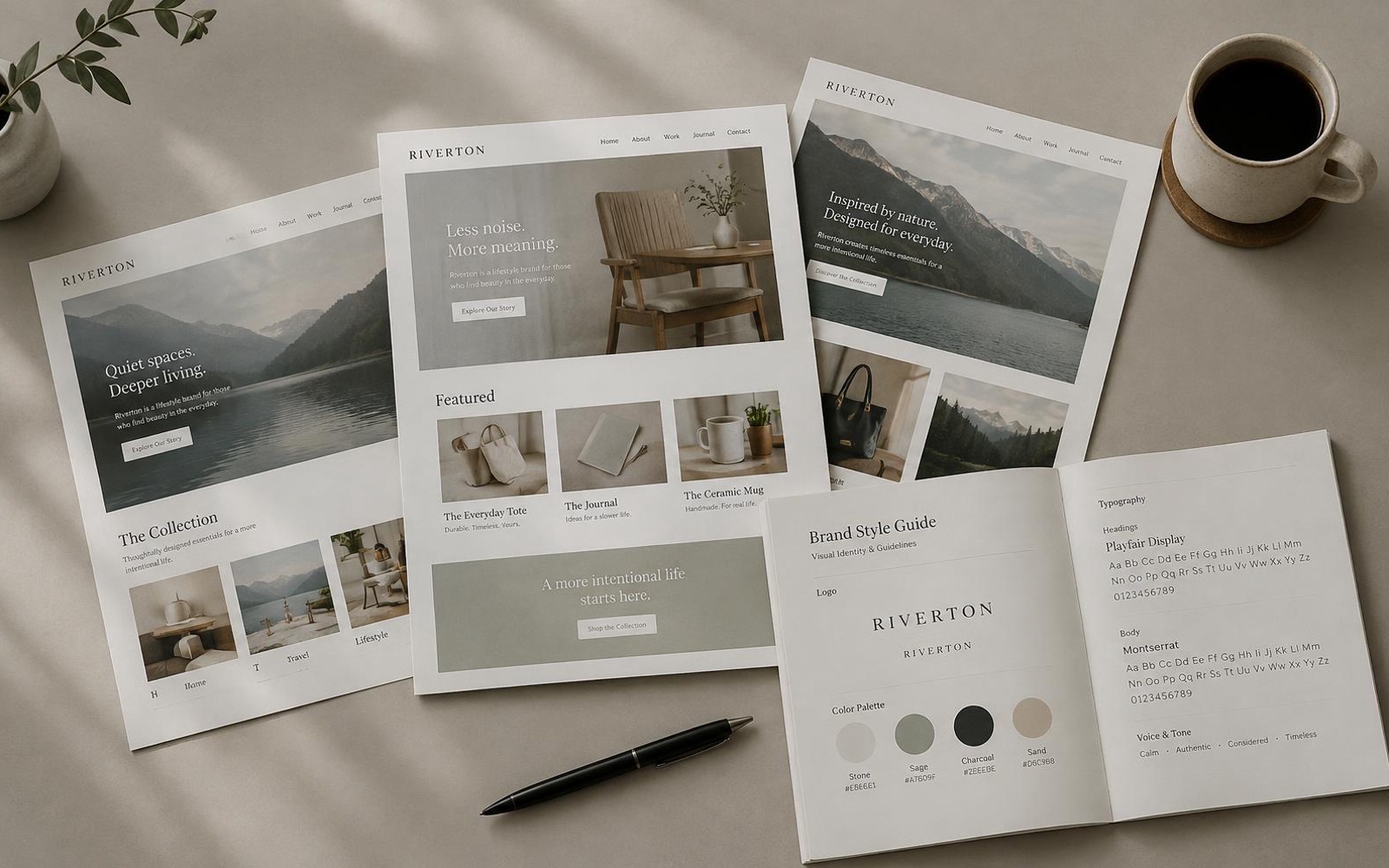
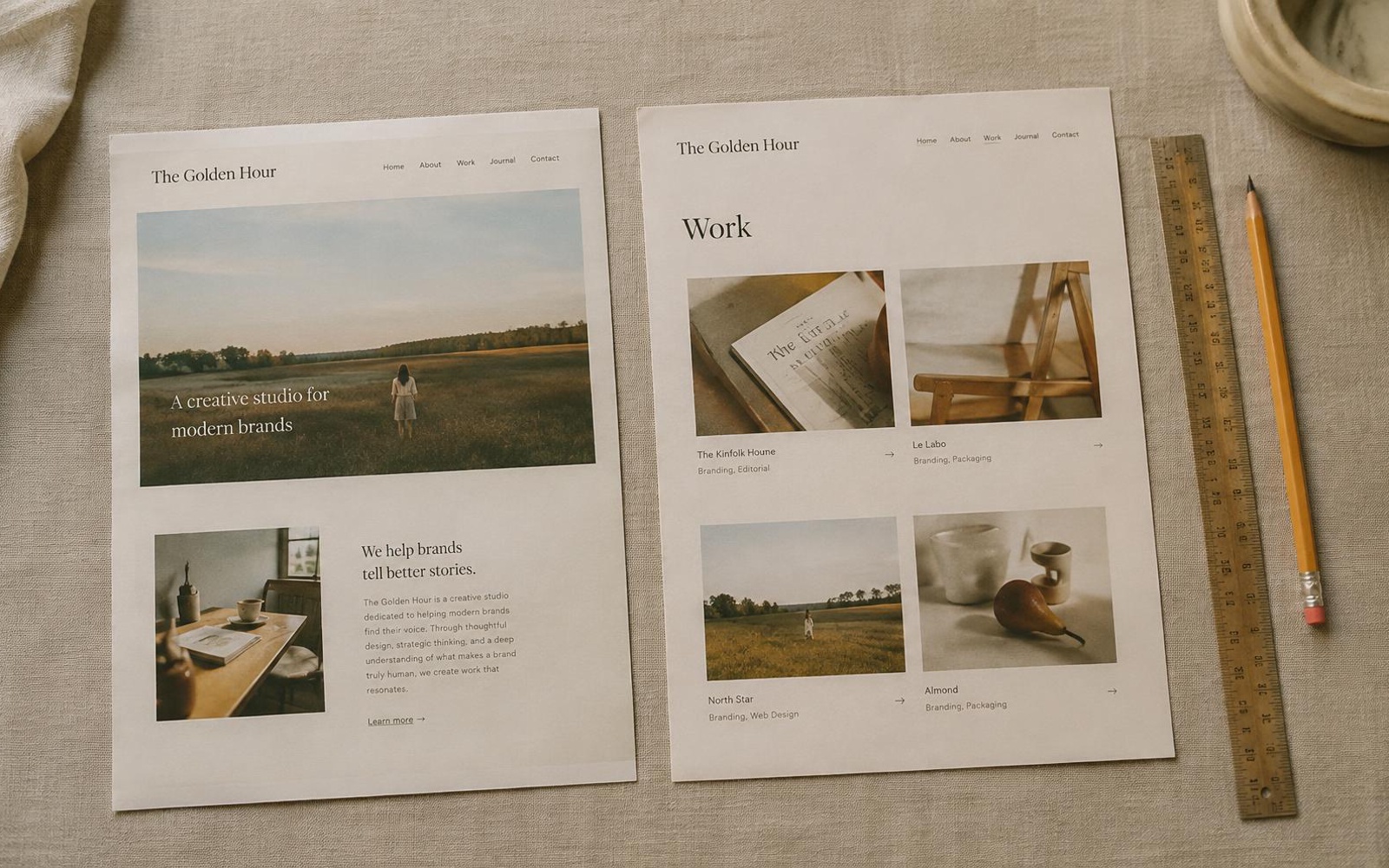
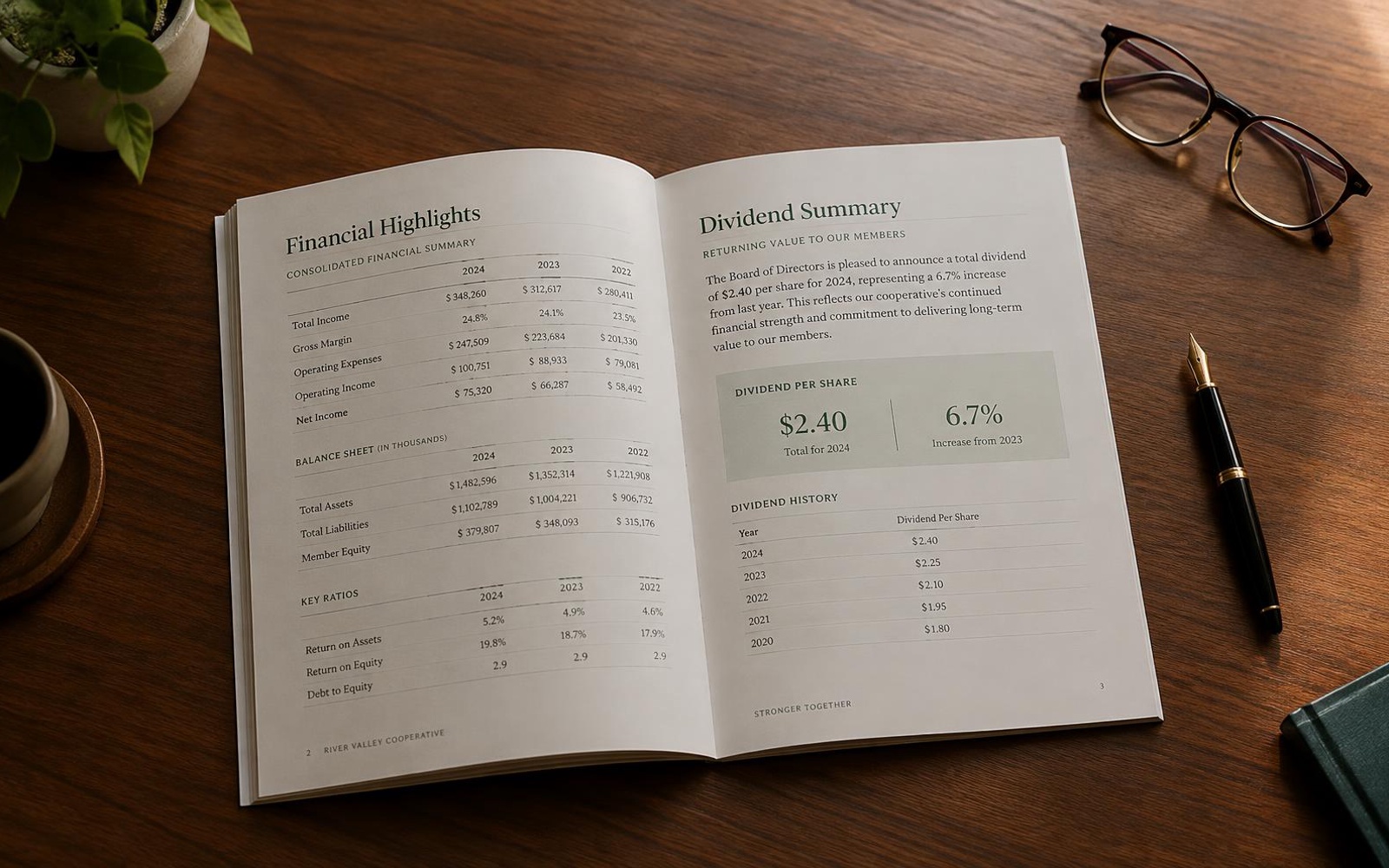
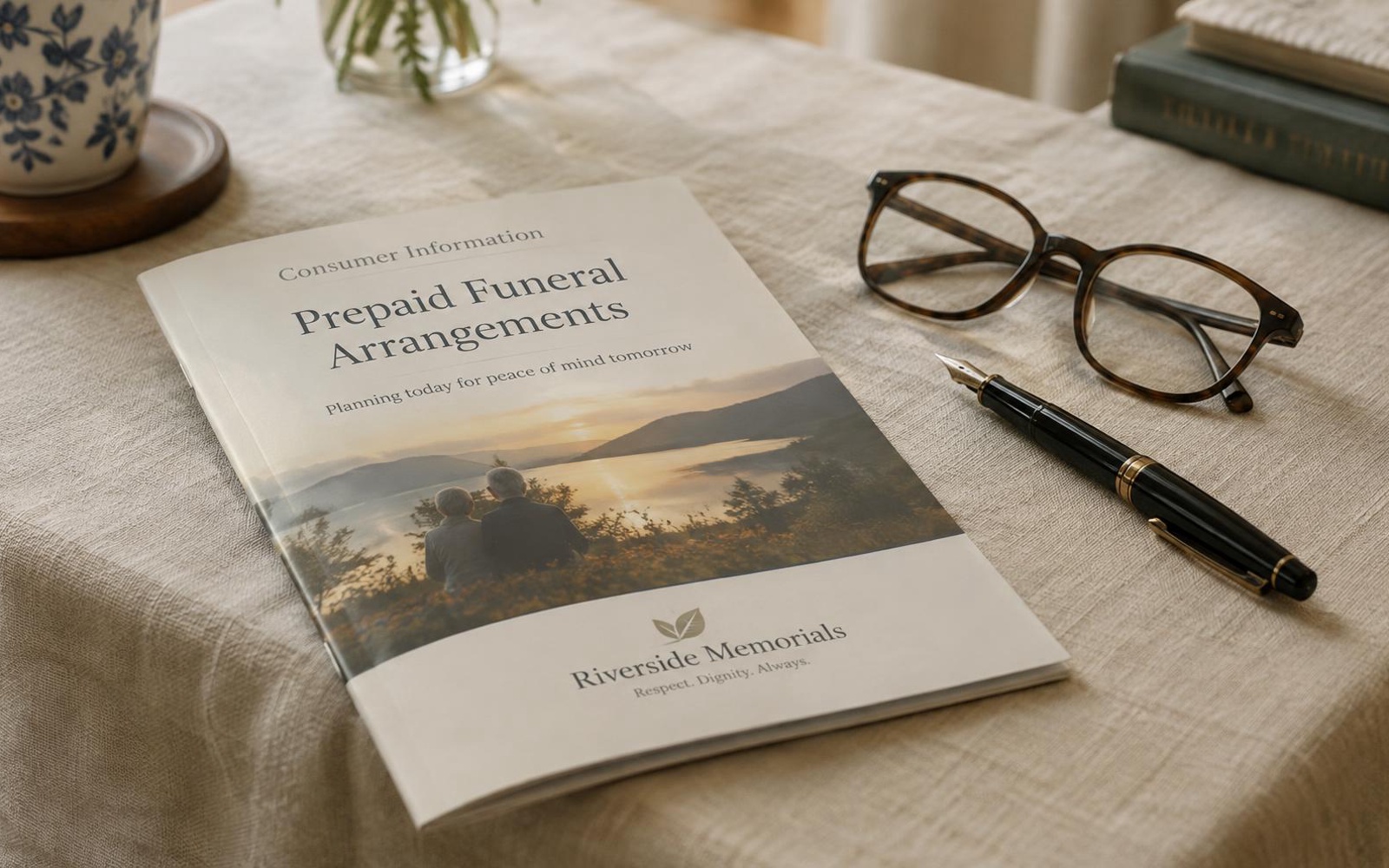
One partner across the family: the association, the Thanexus cooperative, the New Jersey Prepaid Funeral Trust and Funeral Matters, with the websites, member systems, AdWords and marketing strategy behind all of them.
Three identities that have to sit beside each other without ever being mistaken for one another. The New Jersey Prepaid Funeral Trust is published from the same system, and keeps a plainer voice of its own.
NJSFDA
The association
Representing licensed funeral directors since 1902: dues, continuing education, regulation changes and the annual convention.
Thanexus
The cooperative
Members-only cooperative carrying payroll, benefits, HR and compliance for 63 member funeral homes, and employer of record in 110.
Funeral Matters
The consumer side
Honest answers, real solutions. A family builds and prices a funeral at home, before anyone sits them down with a director.
The brief
/background/
The New Jersey State Funeral Directors Association has represented licensed funeral directors since 1902, and the work around it now runs across four brands. There is the association itself: dues, continuing education, the annual convention and the regulations that change without much warning. There is Thanexus, the members-only cooperative that carries the back office — payroll, benefits, human resources, insurance, compliance, training and marketing — for 63 member funeral homes, and acts as employer of record in 110. And there is the New Jersey Prepaid Funeral Trust Fund, which holds money families have set aside for their own funerals and therefore has to explain itself to the public carefully, plainly and without ever sounding like advice. And there is Funeral Matters, the consumer side of the family: a site where a family can build and price a funeral themselves, at their own pace, before anyone sits them down with a director. Separate builds, separate logins, and no shared structure underneath any of them. We design, build and run the sites across the family, and handle the AdWords and marketing strategy that brings the right people to each.
Project goals
/objectives/
01
One family of brands that cannot drift apart
NJSFDA, Thanexus and the Prepaid Funeral Trust serve the same profession from different angles, with Thanexus Financial Services and Funeral Matters sitting beside them in the same family. They needed to look related without looking identical, and to stop solving the same design problem three times.
02
Explain a trust fund to a family, carefully
The trust holds money set aside in advance for a funeral. That page has to be plain enough for a family reading on a phone, exact enough to survive a regulator, and clear that it is information rather than financial or legal advice.
03
One sign-in for the member relationship
Dues, continuing education credits, convention registration and member-only resources all reading from one member record, instead of three systems that each half-knew who the person was.
04
Make credit deadlines impossible to miss
A member should be able to see how many credits they hold, what is outstanding, and which approved course closes the gap — without emailing the office to ask.
05
Give a family somewhere to start on their own
Most people meet the cost of a funeral for the first time in the arrangement room, across a table, with no time to think. Funeral Matters lets a family build and price one quietly at home first, and decide afterwards whether to keep the result or send it to a director.
06
Turn paid search into enquiries, not sessions
AdWords measured on tracked phone calls and completed registrations, with consumer searches for the trust kept strictly apart from the trade searches funeral directors make.
Our approach
/how we worked/
We started with the content model, because the three sites were really one body of knowledge wearing three coats. A single component library and type system was built with per-brand settings, so the association, Thanexus and the trust share structure and quality without sharing a personality. On top of that sits one publishing model: events, news, regulation updates, resources and providers are content types rather than pages somebody hand-builds, which is why a regulation change now goes live the same morning instead of waiting on a developer. The trust fund pages were written from scratch in plain language and reviewed line by line, with the participating provider directory and the complaint route given real prominence rather than being left in a PDF. The member side was rebuilt around one record: dues status, credit history and event registrations on a single profile, surfaced on a dashboard showing what is earned, what is outstanding and which course closes the gap. Convention registration handles multiple attendees per firm, central invoicing and session capacity, with badge data exported for the office. Then we took on the marketing: separate AdWords campaigns for families and for the profession, landing pages written to match each audience, calls tracked as conversions alongside forms, and a campaign calendar tied to the association year so renewal season, convention registration and trust outreach never land on the same week.
What we built
/in detail/
/01 — three brands, one shop/
Three trade brands, one place to publish from
The association, Thanexus and the trust fund all speak to the same profession from different positions, and each had been built on its own. The same small decisions were being made three times, and the brands had quietly drifted apart in type, spacing and tone. We rebuilt all three on one content model and one component library, so they read as members of the same family while still sounding like themselves.
A shared set of page components, type scale and spacing rules, with per-brand settings rather than three separate codebases.
One publishing model for both sites: events, news, regulation updates and resources are content types, not pages built by hand.
Navigation and footer behaviour kept consistent across the brands, so a visitor crossing between them never has to re-learn the site.
New sections and programme pages are now an afternoon of content work rather than a development project.
/02 — the cooperative/
Arguing for a cooperative in a room full of small businesses
Thanexus is the part of the family that has to make its own case, and its audience is sceptical by default. It is a members-only cooperative rather than a corporation: 63 funeral homes own it, it is employer of record in 110, and under Subchapter T the surplus flows back to those members — $3.5 million in patronage since 2000, and $154,405 in the last year alone. A director running one funeral home does not need a mission statement. They need to know that joining buys them a back office the size of a chain's. So the page opens on the arithmetic and then hands over the service list.
The dividend figure leads the page — a real number returned to members last year, rather than an adjective about partnership.
Nine service lines, one page each: health care, payroll, human resources, retirement, insurance, compliance, training and marketing, so a member can go straight to the problem they actually have.
Two logins, kept apart. Employees reach payroll through one route and managers reach the back office through another, because two different people at the same firm sign in to do two different jobs.
The annual State of the Industry report is a front door rather than a PDF buried in the footer: a 12% rise in newly licensed directors’ pay is the strongest reason a non-member has to hand over an email address.
Insurance review, membership application and the year-in-review figures each keep their own path, so paid traffic lands on the page that matches the search that produced it.
/03 — the prepaid funeral trust/
Explaining a trust fund to a family, without giving advice
The New Jersey Prepaid Funeral Trust Fund holds money that families have set aside in advance for their own funerals, which makes its website an unusual thing to write. It has to be plain enough for someone in their seventies reading on a phone, precise enough to survive scrutiny, and careful never to sound like legal or financial advice. The previous pages were written for people who already knew what a prepaid trust was. We rewrote them for someone seeing the term for the first time.
The explanation opens with the question a family actually asks — what happens to the money if the funeral home closes — and works outward from there.
Participating providers, the rules around transferring a contract and the complaint route are findable in two clicks rather than buried in a download.
Funeral Planning CHOICES is the name families and directors actually use, so the account tools live under it: a balance lookup by name, account number or Social Security number, the agreements and forms, and the marketing materials a director orders for a family meeting.
The consumer helpline and contact details sit on every page, because the most common next step is a phone call, not a form.
Headings and type sizes were set for an older audience and checked against WCAG, with focus states and forms that work without a mouse.
/04 — funeral matters/
A family can build a funeral before anyone asks them to
Funeral Matters is the one brand in the family that speaks to the public directly, and it exists because of an uncomfortable fact about the trade: most families first meet the price of a funeral in the arrangement room, with a director across the table and no time to think. The site gives them somewhere to go first. A family works through cremation, burial or donation, adds the ceremony or memorial they actually want, and watches the price follow each choice — on their own time, at their own pace, with nobody waiting on them. They can stay anonymous and print the result, or send it to a participating funeral home as the opening of a conversation. It is the front door to the whole profession, and it has been running quietly for years as the consumer half of the same relationship.
The builder moves through cremation, burial or donation first, then the ceremony and memorial, pricing as the family chooses rather than presenting a total at the end.
Nothing is forced: a family can stay anonymous, print their selections and prices, or send the summary to a funeral home for a follow-up at their own pace.
A zip-code lookup finds a participating provider nearby, which is the commercial loop underneath it — funeral homes subscribe to be found by families who are already planning.
The itemisation is the point of the thing: families see exactly which services they are paying for and why, which is the part the arrangement room has always struggled to explain.
Blog, FAQs and the consumer pages answer the prep-planning searches directly, so the site earns the visit instead of renting every one of them through paid search.
/05 — the member record/
One sign-in for dues, credits and the convention
Members needed three things online — continuing education credits, the annual convention, and the regulations that change without much warning — and each lived in a different system with its own login. Funeral directors run small businesses and are not sitting at a desk waiting to reset a password. Dues status, credit history and registrations were mapped onto a single record, then surfaced on one dashboard.
Credits earned, credits outstanding, renewal date and the next approved course on a single screen, so nobody has to ring the office to ask.
Convention registration handles several attendees per firm, invoicing for practices that pay centrally, and session capacity limits.
Badge and attendee data export for the office, replacing the spreadsheet that used to be rebuilt every year.
The FORUM carries the news, obituaries and classifieds the profession reads daily, so it sits on the same platform as the member record instead of a separate newsletter tool.
The public consumer section — funeral planning guidance and pricing rules — is separated from the member area at routing and permission level.
/06 — paid search/
Paid search that answers a phone call, not a dashboard
The audiences search, but never for the same things. A family looks up what a prepaid funeral costs, or whether the fund is regulated. A funeral director searches for continuing education, a supplier, or the association itself. Funeral Matters adds a third audience again: someone comparing cremation against burial at eleven at night, months before they intend to speak to anybody. We run the AdWords accounts across all of it, with separate campaigns, separate landing pages and separate measures of success — a tracked call for the families, a completed registration for the profession, and a started plan for the consumer site.
Campaigns split by audience and intent, so somebody searching for the trust fund never lands on membership copy.
Phone calls tracked as conversions alongside forms, because most families ring rather than fill anything in.
Trade and member terms kept apart from consumer terms, with budget following whichever is producing real enquiries.
Funeral Matters runs its own consumer campaigns, pointed at the builder rather than a contact form, because that visitor is planning and not yet buying.
Search terms and negatives reviewed on a schedule, which is where most of the waste in an account this shape hides.
/07 — strategy and support/
The marketing plan sits with the team that built the sites
Strategy and build living in one place is the point. A campaign can ask for a page and get it, a page can be changed because a campaign is underperforming, and neither waits on a third party to be briefed. The year is planned around the association calendar — renewal season, convention registration, regulation deadlines and the trust fund outreach — so four messages are not competing for the same inbox in the same week.
A yearly campaign calendar built around the association year: renewal season, convention registration, regulation deadlines and consumer outreach for the trust.
Website, paid search, email and social planned together, so the same message does not contradict itself between channels.
Monthly reporting written in plain language for the board rather than a dashboard dump.
Design and copy for Thanexus and Funeral Matters handled in the same studio, which is the practical reason the family stays in step instead of drifting apart between agencies.
Platform updates, security patches, content publishing and accessibility checks run as an ongoing service, not a retainer nobody reads.
The results
/outcomes/
4
brands in the family we design, run and market
1
sign-in for dues, credits and convention registration
63
member funeral homes the cooperative answers to
$3.5M
patronage returned to those members since 2000
Have a project like this one?
Tell us what you are working on. We will come back with a straight answer on scope, timeline and budget.